
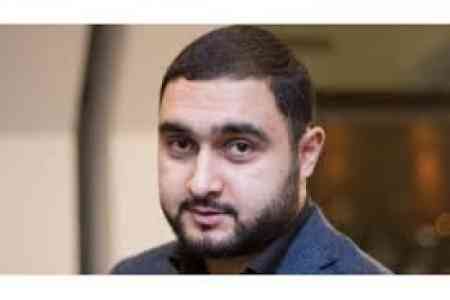
ArmInfo. To the extent that Prime Minister Nikol Pashinyan's anti-Church campaign has created a dangerous challenger in the relationship between the Armenian Apostolic Church (AAC) and the government, it has also had a positive impact on the bond between the Church and the people. Analyst Tigran Dumikyan wrote on his Facebook page.
He called Pashinyan's anti-Church campaign and the series of events that occurred as part of it, including the incursion of security forces into the Mother See of Etchmiadzin, ideologically inconsistent. The expert argued these convictions by citing the fact that broad sections of society in the country quickly realized the true nature of this process, finding it unacceptable and troubling.
As evidence for his claims, Dumikyan cited the results of a 2025 poll by the International Republican Institute (IRI). The poll showed that 58% of citizens expressed satisfaction with the activities of the Armenian Apostolic Church, a 10 percentage point increase from the previous year. "The same study emphasizes that Prime Minister Nikol Pashinyan's campaign against the Armenian Apostolic Church failed to garner public support. It should also be noted that, according to IRI data, 54% of Armenians aged 18 to 35 and 52% of middle-aged citizens believe that the country's development is heading in the wrong direction," the analyst mentioned.
Dumikyan also acknowledged that some high-ranking clergy members, whose names had previously surfaced in scandals, initially made contradictory statements and then met with the Prime Minister in the government building to express solidarity with Pashinyan. "It's interesting that these clergy, whom the Prime Minister called 'healthy forces,' not only betrayed the principles of spiritual unity with their actions but also made no mention of the need to release imprisoned clergy," the expert added.
In this regard, he reiterated that issues of church health and internal discipline must be addressed within the Armenian Apostolic Church itself, within the framework of canonical law and order, rather than through political pressure from the state. "The anti-church campaign initiated by Pashinyan has, in a very short time, completely exposed both the authorities' true goals and the motives of some influential clergy. Additionally, it has demonstrated the resistance and persistence of broad segments of society in defending national and spiritual identity," the analyst believes. He also noted that the ordeal is not over yet and will receive new impetus in the near future. "However, regardless of the direction it takes, the small group in power and the clergy associated with it have already suffered a defeat in the context of public trust," Dumikyan concluded.























 Expert: Pashinyan`s visit to Russia creates prerequisites for restoring dialogue, but thaw in relations is more symbolic
 Political analyst: After dubious elections, Armenian authorities start to tighten the screws
 Expert: Funeral of assassinated Khamenei became Iran`s diplomatic inventory of its contacts
 Armenian expert explains how Yerevan`s history is being rewritten in Azerbaijan
 Zakharova: Armenia`s pro-EU pivot poses economic security risks to EAEU member states
 It`s time for South Caucasus countries to think of South Caucasus as single, unified region - RA premier
  Moscow sees situation with Armenia as attempt to attack Russia-involving integration associations - Russian presidential aid
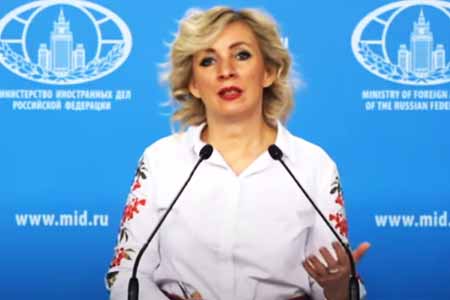 Zakharova: Armenia views relations with Russia as tool for financially securing reorientation toward EU
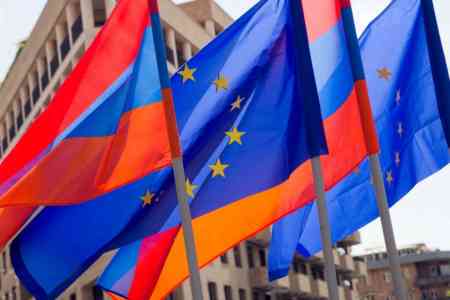 The Armenian Minister of Justice and the EU Ambassador discussed visa liberalization issues for Yerevan.
 Azerbaijan`s aggressive plans against Armenia became possible in wake of Pashinyan`s decisions on Artsakh - expert
 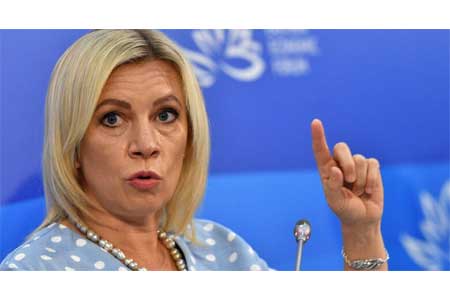 Zakharova: Russia sent a note of protest to Armenia over the act of vandalism at the "Mother Armenia" memorial in Gyumri
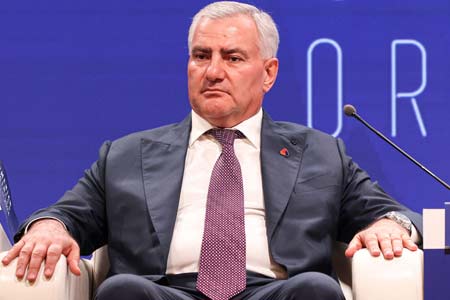 Samvel Karapetyan proposes creating a post-election opposition coalition
 Artsakh`s Cultural Heritage Ombudsman called on Moscow to respond to destruction of WWII monuments by Azerbaijan in occupied NKR
 Prosecutor General`s Office petitions Central Electoral Commission for criminal prosecution of Robert Kocharyan
 Dutch Prime Minister expresses his support for Armenia`s democratic reform and economic diversification agenda
 Heritage: It`s time for Armenia`s opposition to present people with legitimate alternative to power