
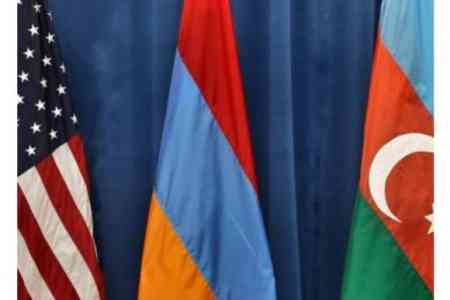
ArmInfo. In a dramatic diplomatic push to end a decades-long conflict, U.S. President Donald Trump is set to host the leaders of Armenia and Azerbaijan at the White House on Friday. The summit, a culmination of months of intense, behind-the-scenes negotiations, is poised to reshape the geopolitical landscape of the South Caucasus and anchor the U.S. as a central player in a region long dominated by Russia and Iran. Ahead of the White House peace summit, Kyiv Post's Washington correspondent Alex Raufoglu spoke with multiple U.S. officials in the background about the key developments and details surrounding the peace draft.
The centerpiece of the agreement is a new commercial and infrastructure project dubbed the "Trump Route for International Peace and Prosperity (TRIPP). This innovative framework is designed to resolve the most contentious issue between the two nations: connectivity. TRIPP will establish a transit route through southern Armenia, providing unimpeded access for Azerbaijan to its enclave of Nakhchivan. Crucially, U.S. officials, briefing Kyiv Post on the condition of anonymity, said that the route will maintain Armenia's "sovereignty, territorial integrity, and jurisdiction." TRIPP is not a military or defense initiative. Officials were clear that the U.S. is not providing a "hard security guarantees" or deploying troops to the route. U.S. involvement will be purely commercial, with the U.S. taking on the responsibility to ensure the route "operates safely for all parties" through agreements with "top-class operators."
According to Raufoglu, the summit represents a significant departure from previous, largely stalled, mediation efforts. According to senior US officials, the path to this moment began with Trump's special envoy Steve Witkoff's trip to Baku in late February, where a "meaningful bond" was formed with Azerbaijani President Ilham Aliyev. This opened the door for a series of five additional visits to the region by US officials, who found a shared belief among both Armenian and Azerbaijani leaders that "this is the moment and this is the leader." The officials emphasized that the current geopolitical climate, with both Russia and Iran distracted by other global challenges, created a unique opportunity for both countries to take a "courageous step" toward peace.
On Friday, Aug. 8, Ilham Aliyev and Armenian Prime Minister Nikol Pashinyan will sign several pivotal documents at the White House, witnessed by President Trump, according to officials: Joint declaration: This will formalize a "concrete pathway to peace" and full normalization of relations, which officials described as being "as close to irreversible as possible." Initialing a peace agreement: The foreign ministers of Azerbaijan and Armenia will initial the text of a bilateral peace agreement that has been under negotiation for months. Joint letter to exit the Minsk Group: Both countries will formally withdraw from the OSCE Minsk Group, a mediation platform that has been deemed "not helpful" and in need of a fresh approach.









 Armenian expert: Could modern Azerbaijan even exist without Russian and Soviet modernization?
 South Caucasus is entering a new phase of turbulence - ex-official
  Expert: Azerbaijan`s political leadership states `occupation of Armenia is their new national goal`
  Human rights activist Ruben Melikyan dismissed from YSU
 Zakharova: Armenia`s pro-EU pivot poses economic security risks to EAEU member states
 It`s time for South Caucasus countries to think of South Caucasus as single, unified region - RA premier
  Pashinyan: Armenia and Azerbaijan should leave each other alone
 Moscow sees situation with Armenia as attempt to attack Russia-involving integration associations - Russian presidential aid
 Zakharova: Armenia views relations with Russia as tool for financially securing reorientation toward EU
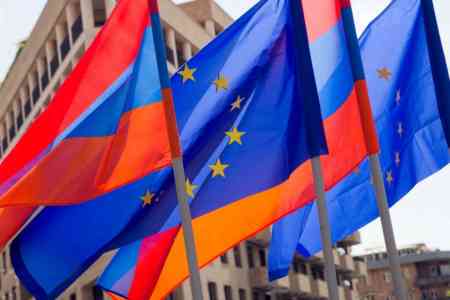 The Armenian Minister of Justice and the EU Ambassador discussed visa liberalization issues for Yerevan.
 Azerbaijan`s aggressive plans against Armenia became possible in wake of Pashinyan`s decisions on Artsakh - expert
  Zakharova: Russia sent a note of protest to Armenia over the act of vandalism at the "Mother Armenia" memorial in Gyumri
 Samvel Karapetyan proposes creating a post-election opposition coalition
 Artsakh`s Cultural Heritage Ombudsman called on Moscow to respond to destruction of WWII monuments by Azerbaijan in occupied NKR
 Prosecutor General`s Office petitions Central Electoral Commission for criminal prosecution of Robert Kocharyan
 Dutch Prime Minister expresses his support for Armenia`s democratic reform and economic diversification agenda