

ArmInfo. Armenia is set to introduce a three-tier higher education system. In addition to bachelor's and master's degrees, a third level—doctorate studies—will be established, bringing the country's higher education system into compliance with the requirements of the Bologna Process and the Salzburg Principles. The decision was approved during a cabinet meeting on August 20.
According to the explanatory note of the draft decision, the third tier will apply to individuals who successfully complete the program and earn a doctoral degree. This system aligns existing postgraduate education with the third cycle of higher education under the Bologna Process and Salzburg Principles.
To foster an educational environment that meets international standards, the country's legislation will also mandate licensing processes for third-tier higher education programs. Currently, postgraduate programs are not licensed, which falls short of competitive education standards and comprehensive quality benchmarks for implementing programs at this level.
Since the adoption of the Law "On Higher and Postgraduate Professional Education" in 2004, no actual transition to third-level higher education has occurred, while in the European Higher Education Area, postgraduate education leading to a doctoral degree is considered a third-level qualification in the higher education system. Moreover, the legal acts currently in effect in the Republic of Armenia regulating admission and postgraduate studies, as well as the awarding of academic degrees, do not yet fully ensure international competitiveness and clear quality assessment mechanisms in accordance with the requirements of the European Higher Education Area. This, in turn, hinders the conduct of high-quality scientific research in accordance with international standards, the internationalization of doctoral programs, and mobility in higher education and science.
The Salzburg Principles, developed by the European University Association (EUA) (known as the "Salzburg Guidelines") and specifically related to the organization of doctoral education, are part of the Bologna Process and aim to improve doctoral education with the aim of promoting international cooperation and mobility. Specifically, they consider doctoral education as an independent scientific endeavor, with an appropriate structure for doctoral programs and mechanisms for assessing and improving quality at all stages of doctoral education, as well as academic and research standards according to which doctoral students must be trained. Whether a person will receive a doctoral degree must be clearly defined. In this context, to ensure the comparability of third-level education and compliance with the Salzburg Principles, the conditions and requirements for the organization of admission and study at the third level of qualification in the higher education system, as well as the criteria and quality standards for the award of a doctoral degree (PhD), are being reviewed and defined. Taking into account the above, and also taking into account the permissive provisions of the law, there was a need to create a single unified procedure with a common structure to replace a number of previously existing separate regulations governing issues related to general provisions on admission, training and awarding qualifications at the third level of higher education.














 Expert: Current process is not about peace, but implementing Azerbaijan`s wishlist
 Expert: Real peace unattainable until Armenia-Azerbaijan agreement is signed and ratified
 TRIPP`s proximity to Iranian border could slow its implementation - expert
  Aram Vardevanyan: Public demands solutions, not apology scandals in Parliament
 Arrested Armenian oligarch on economy and new jobs
  "In Baku, we gave a worthy rebuff to the false claims regarding the past and present of our people" – Former Artsakh Parliament Speaker from Baku captivity
  NA Vice Speaker candidate believes his wife`s salary as director of HayPost is the lowest in the company`s history
 RF Permanent Representative: There is no CSTO-Armenia conflict
 Moscow: NATO seeking to "Pull" Armenia away from CSTO Allies
 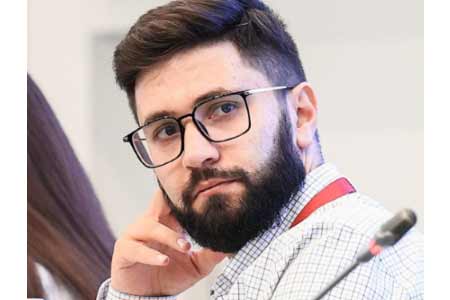 Political analyst: Russia intends to determine which "Camp" Armenia will choose through a referendum
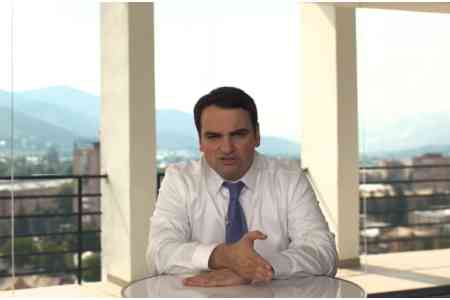 Narek Karapetyan will give up his parliamentary salary in favor of charitable contributions.
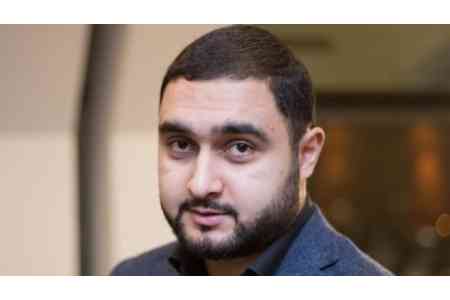 Armenian analyst: Developing relations with Europe and the U.S. must not jeopardize relations with regional powers
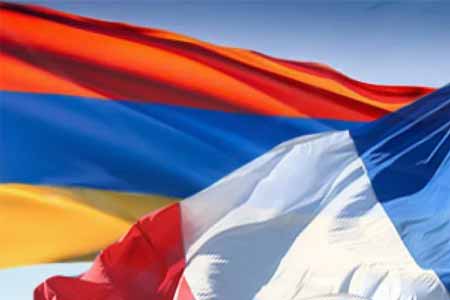 Armenia and France discuss further development of strategic partnership and EU cooperation
 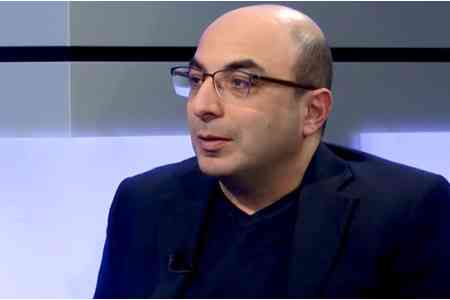 To overcome risks Armenia must reduce domestic escalation - expert
 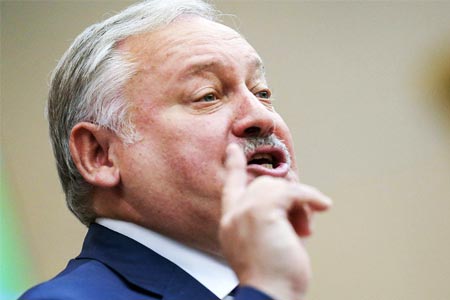 Zatulin: Pashinyan was eager to get back to Russia because he actually lost the elections
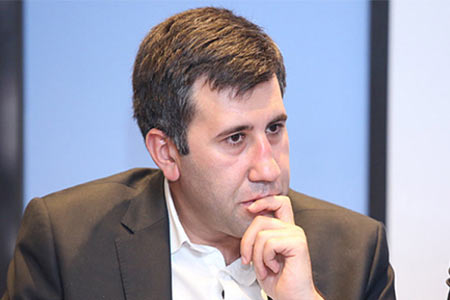 Human rights activist Ruben Melikyan dismissed from YSU
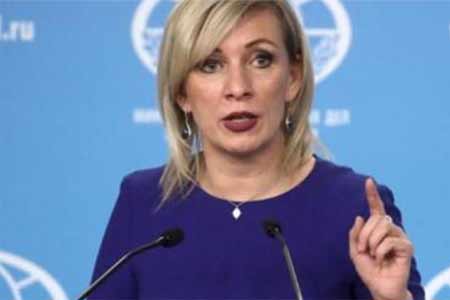 Zakharova: Armenia`s pro-EU pivot poses economic security risks to EAEU member states