
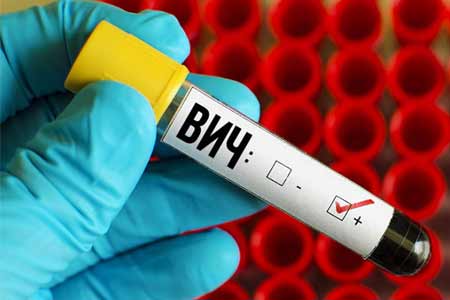
ArmInfo. An extraordinary meeting of the commission coordinating measures to combat HIV/AIDS, tuberculosis, and malaria was held, as reported by the Armenian Ministry of Health.
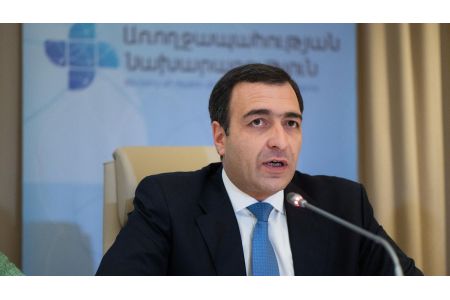
"Although noncommunicable diseases remain the leading cause of death, we have no right to relax our vigilance, even slightly, in our efforts to prevent, promptly detect, and treat infectious diseases. COVID-19 and the post-COVID period, in particular, have proven this," RA Minister of Health Anahit Avanesyan stated at the meeting.
The meeting presented the current status of HIV/AIDS and tuberculosis in Armenia, the measures being carried out to prevent, detect, and treat them, as well as the latest achievements recorded through Global Fund grant programs. Detection rates for some infectious diseases have increased significantly. Experts note an important point: this indicator often indicates not an increase in the prevalence of the disease, but rather an improvement in the effectiveness of its detection.
In recent years, the availability of HIV testing has significantly expanded in the country, particularly for target populations most vulnerable to HIV infection. Rapid HIV/AIDS tests are available in more than 90 primary healthcare facilities, and the Ministry of Health's mobile clinics regularly visit rural outpatient clinics where they are unavailable. Thus, in 2025, approximately 270,000 tests were performed. While previously a citizen had to wait 3-4 days for test results, now results are available on the same day. Nevertheless, a stabilization of HIV incidence rates is expected in Armenia in 2024-2025, and a decrease in new cases in 2025. Speaking about achievements, it was noted that in 2015, Armenia was recognized by the WHO Global Commission as having eliminated mother-to-child transmission of HIV, a status it maintains to this day. At the end of the meeting, the Working Group's action plan for the transition period for 2026- 2027 was approved.


























 Expert: Real peace unattainable until Armenia-Azerbaijan agreement is signed and ratified
 TRIPP`s proximity to Iranian border could slow its implementation - expert
  Who and why is sacrificing RA National Security Service`s reputation? - expert
  Tehran creating security environment in which sustainable shipping in Strait of Hormuz difficult to imagine without its direct participation - expert
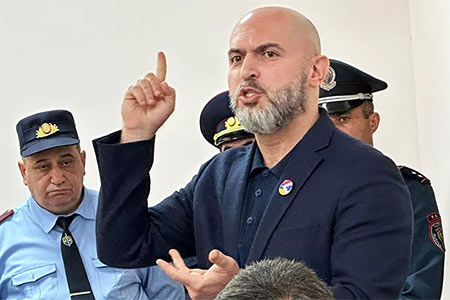
  Arrested Armenian oligarch on economy and new jobs
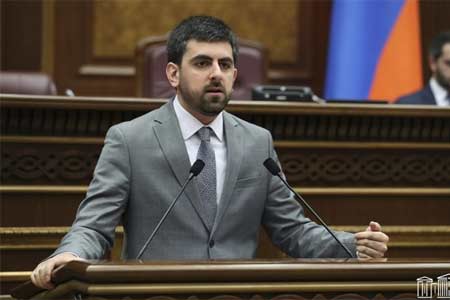
  NA Vice Speaker candidate believes his wife`s salary as director of HayPost is the lowest in the company`s history
 RF Permanent Representative: There is no CSTO-Armenia conflict
 Moscow: NATO seeking to "Pull" Armenia away from CSTO Allies
  Political analyst: Russia intends to determine which "Camp" Armenia will choose through a referendum
 Narek Karapetyan will give up his parliamentary salary in favor of charitable contributions.
 Armenian analyst: Developing relations with Europe and the U.S. must not jeopardize relations with regional powers
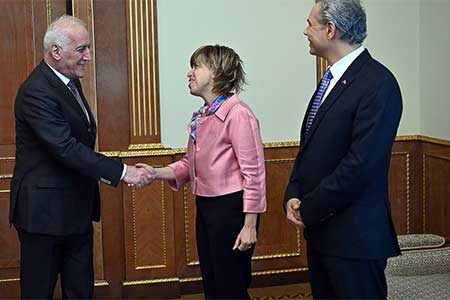
 Armenia and France discuss further development of strategic partnership and EU cooperation
  To overcome risks Armenia must reduce domestic escalation - expert
 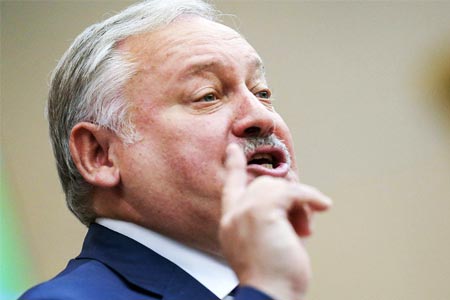 Zatulin: Pashinyan was eager to get back to Russia because he actually lost the elections
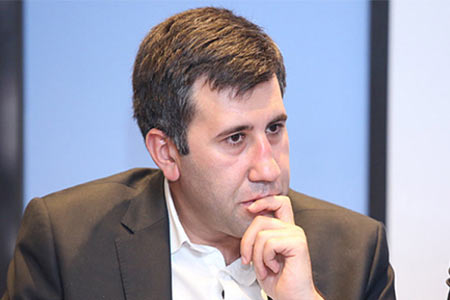 Human rights activist Ruben Melikyan dismissed from YSU
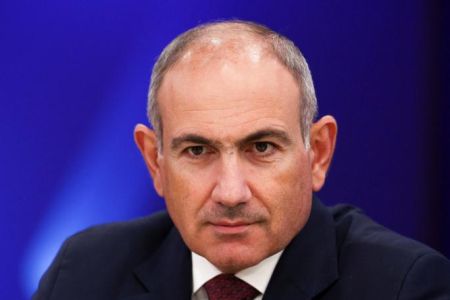 Pashinyan removed from INNOPROM guest list
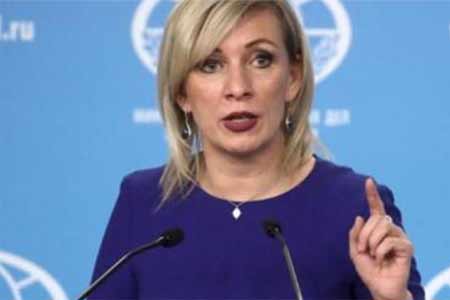 Zakharova: Armenia`s pro-EU pivot poses economic security risks to EAEU member states
 It`s time for South Caucasus countries to think of South Caucasus as single, unified region - RA premier
  Pashinyan: Armenia and Azerbaijan should leave each other alone